
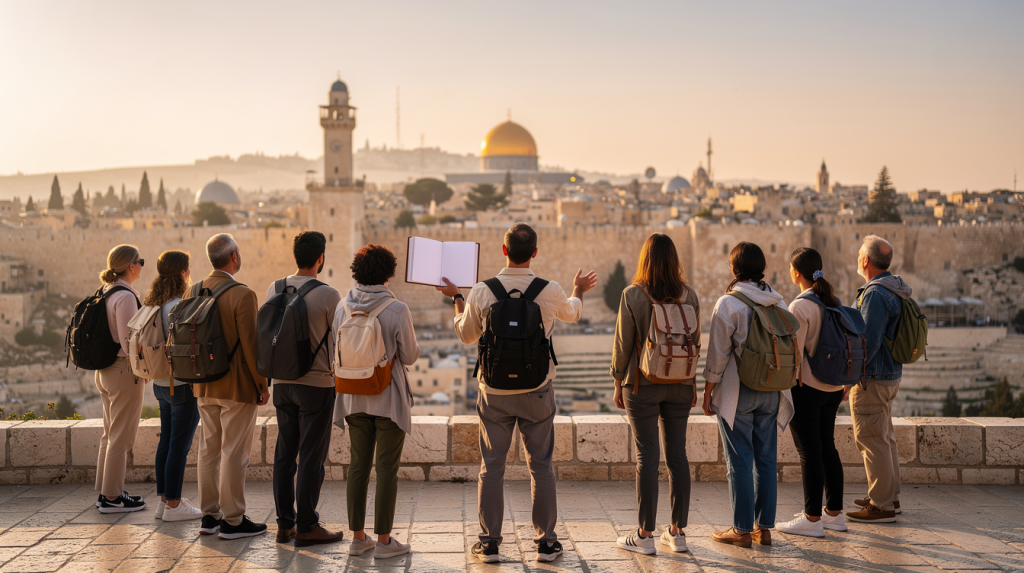
Church groups traveling to Israel approach the country differently than typical vacationers. Their itineraries follow Scripture rather than a checklist of landmarks, and their daily schedule often includes prayer, teaching, and quiet reflection alongside transportation and meals. Understanding how these trips are structured helps pastors and congregants set realistic expectations before departure.
What are Evangelical Church Group Tours to the Holy Land?
Evangelical Church Group Tours to the Holy Land Explained refers to faith-centered journeys designed specifically for Protestant congregations rather than general tourists. These trips combine biblical education, group fellowship, and structured spiritual reflection into a single itinerary. Unlike standard sightseeing packages, evangelical Holy Land travel is built around the belief that physical presence at biblical sites reinforces spiritual conviction and personal faith.
The theological identity behind these programs draws on the historical tenets of Evangelicalism, a movement marked by an emphasis on the authority of Scripture, personal conversion experiences, and active discipleship. Christian pilgrimage tours built for this audience reflect those priorities directly, with guides trained to speak in theological terms familiar to Protestant travelers rather than purely historical or archaeological language.
Bible land tours of this kind differ from leisure sightseeing in a fundamental way. Where a standard tour might pause at a site for photographs and a historical summary, an evangelical itinerary prioritizes communal prayer, Scripture readings delivered at the exact geographic location described in the text, and shared worship. The goal is not simply to see a place but to experience it as part of an ongoing spiritual practice.
Why Do Congregations Organize Holy Land Tours for Church Groups?
Congregations organize Holy Land tours for church groups primarily as a discipleship tool. Visiting the actual locations described in Scripture is treated as an extension of teaching rather than a separate recreational activity. Church group pilgrimage trips are often planned around a specific sermon series or curriculum, giving the travel a clear spiritual purpose beyond leisure.
How Travel Supports Discipleship and Spiritual Formation
Experiencing the physical geography described in the Bible helps believers visualize familiar passages, which in turn makes those passages easier to recall during future sermons or personal study. Standing at the Sea of Galilee or walking the hills near Nazareth changes how a passage is remembered afterward. Most itineraries build in time for on-site devotions, pastor-led teaching sessions, and communal reflection at the close of each travel day, reinforcing Scripture-centered travel as a daily rhythm rather than an occasional highlight.
How the Journey Strengthens Congregational Fellowship
Traveling together, sharing meals, and experiencing emotionally significant moments as a group builds relationships that are difficult to replicate in a weekly service setting. Christian fellowship travel of this kind tends to have effects that outlast the trip itself. Church leaders frequently report increased volunteerism, deeper engagement in small groups, and renewed enthusiasm for future group travel once a congregation returns home.
What is Included in a Custom Church Tour Itinerary?
A typical faith-based travel program follows a logical geographic and spiritual progression rather than a random sequence of stops. Custom church tours are structured so that each day builds on the theological themes introduced earlier in the trip.
Core Destinations in Galilee and Jerusalem
Most itineraries begin in the Galilee region, covering Nazareth, Capernaum, the Mount of Beatitudes, and the Sea of Galilee, before moving south to Jerusalem for the Mount of Olives, the Garden of Gethsemane, and the Garden Tomb. A well-balanced Galilee and Jerusalem itinerary alternates between quiet, contemplative nature sites in the north and the historic, densely populated environment of Jerusalem, giving travelers a shift in pace roughly halfway through the trip.
Practical Inclusions and Logistics
Faith-based travel to the Holy Land typically includes ground transportation, hotel accommodations, selected group meals, entrance fees to historic sites, and certified local guides familiar with biblical history. A detailed biblical site itinerary handles this coordination in advance, which allows pastoral leadership to focus on ministry and teaching rather than logistics, while professional staff manage transportation, scheduling, and site access on the ground.
How Should Leaders Prepare for Holy Land Travel Preparation?
Pastors organizing their first major international group journey face a learning curve distinct from planning a local retreat. Holy Land travel preparation involves setting spiritual objectives, selecting appropriate seasons, and managing group dynamics well before departure. Resources published by the Israel Ministry of Tourism are designed specifically to help pastors work through these early decisions.
Setting Spiritual and Educational Objectives
Establishing a clear theme for the journey early on allows daily excursions to align with a targeted sermon series or Bible study curriculum planned for the months following the trip. Ministry travel planning tends to work better when the theological goal is set before the itinerary is finalized, rather than adjusted afterward.
Early Logistics, Communication, and Mobilization
Pastor-led tours generally require communication with the congregation to begin 8 to 12 months in advance, giving families sufficient time to budget and coordinate personal schedules. Transparent financial planning matters as well, since group size directly influences per-person package pricing. A larger group often secures better group rates, which is worth communicating early to encourage sign-ups. A strong Christian group travel experience depends heavily on this early groundwork rather than decisions made close to departure.
What Practical Realities Should Travelers Expect on a Holy Land Itinerary?
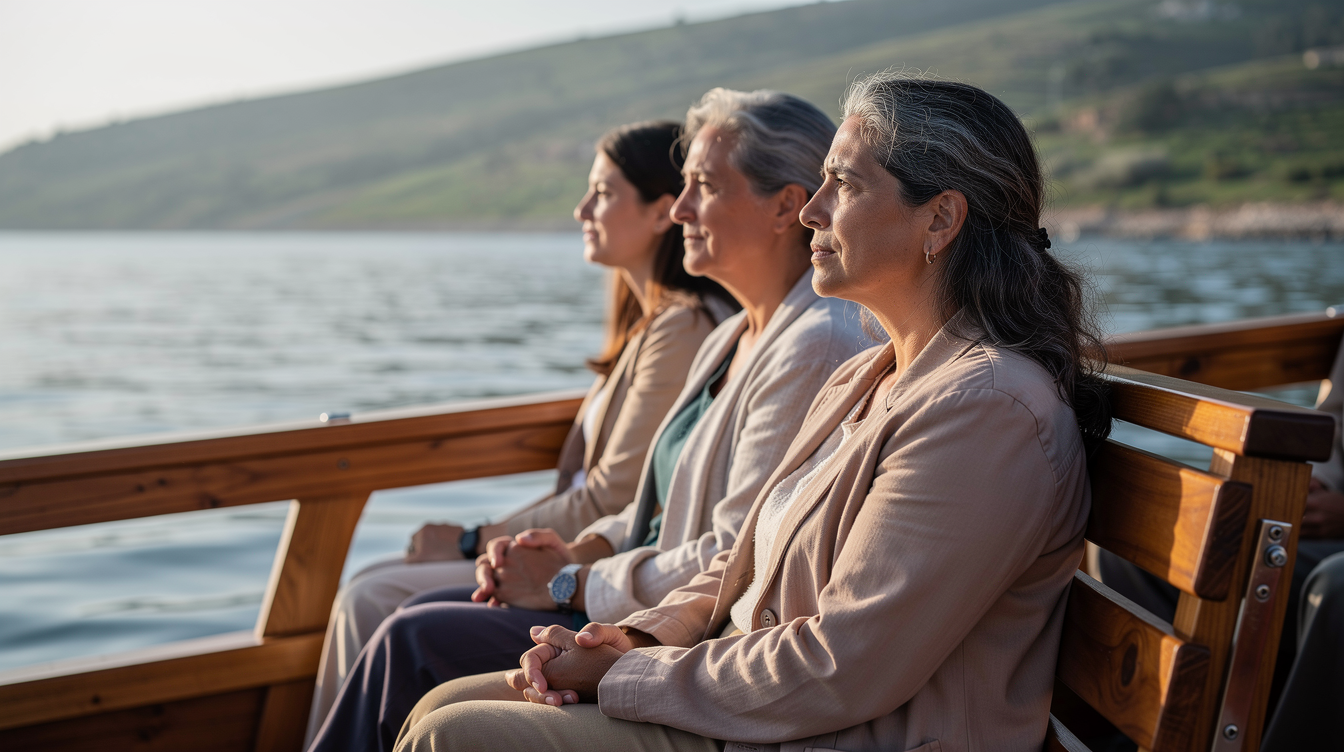
First-time travelers benefit from knowing what a guided Holy Land pilgrimage actually demands physically and administratively. Entry requirements, security screening, and general documentation standards are outlined by the U.S. Department of State, and reviewing this information ahead of travel preparation helps avoid confusion at arrival.
Physical Demands, Walking, and Terrain
Visiting historical sites involves considerable daily walking over uneven cobblestones, steep stairs, and unpaved paths, particularly in Jerusalem's Old City. Broken-in walking shoes, sun protection, and some physical conditioning in the weeks before departure make a noticeable difference in comfort during a biblical history tour of this intensity.
Seasonal Variations and Packing Basics
Climate shifts considerably between regions and seasons, so packing should account for modest dress required at holy sites, layers for cooler evenings in Jerusalem's higher elevation, and essential medications kept in hand luggage rather than checked bags. Knowing what to expect in terms of climate and dress code reduces last-minute stress once the group has already departed.
Frequently Asked Questions About Holy Land Group Travel
What is the ideal group size for a church pilgrimage?
Custom group programs can be tailored for smaller fellowships, but a cohort of 20 to 40 travelers typically optimizes pricing, transportation logistics, and overall group dynamics. This range allows for full-size buses and better negotiated rates without becoming difficult to manage on foot at crowded sites.
Is it better to join an existing group or build a custom church trip?
A custom church trip offers tailored teaching that aligns directly with a congregation's doctrine and preferred pace, supporting discipleship through travel in a way that matches the pastor's own teaching style. Pre-planned public departures work well for individual pastors or very small ministry teams who prefer joining a larger, already organized cohort.
How long do these faith-based journeys typically last?
Most comprehensively designed itineraries span 9 to 12 days, including international travel time. This length balances thorough worship-centered travel and spiritual engagement with a realistic amount of time away from professional and family obligations.
What makes a group pilgrimage experience different from a standard tour package?
A faith-based group itinerary is structured around Scripture and daily devotional time rather than purely historical commentary, with guides and pastors shaping each stop into an act of worship rather than a photo stop.
About the Business
Talya Tours is a professional tour operator specializing in custom-tailored travel experiences to Israel and the Holy Land for Christian pilgrims, religious groups, business travelers, and individual tourists from around the globe. The company focuses on creating deeply moving, safely organized journeys for congregations, tailoring each itinerary to the spiritual, theological, and logistical needs of the group involved. Its experienced guides and on-the-ground agents work to ensure that every trip, including its Christian tours, becomes a meaningful milestone of discipleship and lasting fellowship for the traveling congregation.